Puppy Potty Training: New Owners Say our Process is “90-95% effective!”

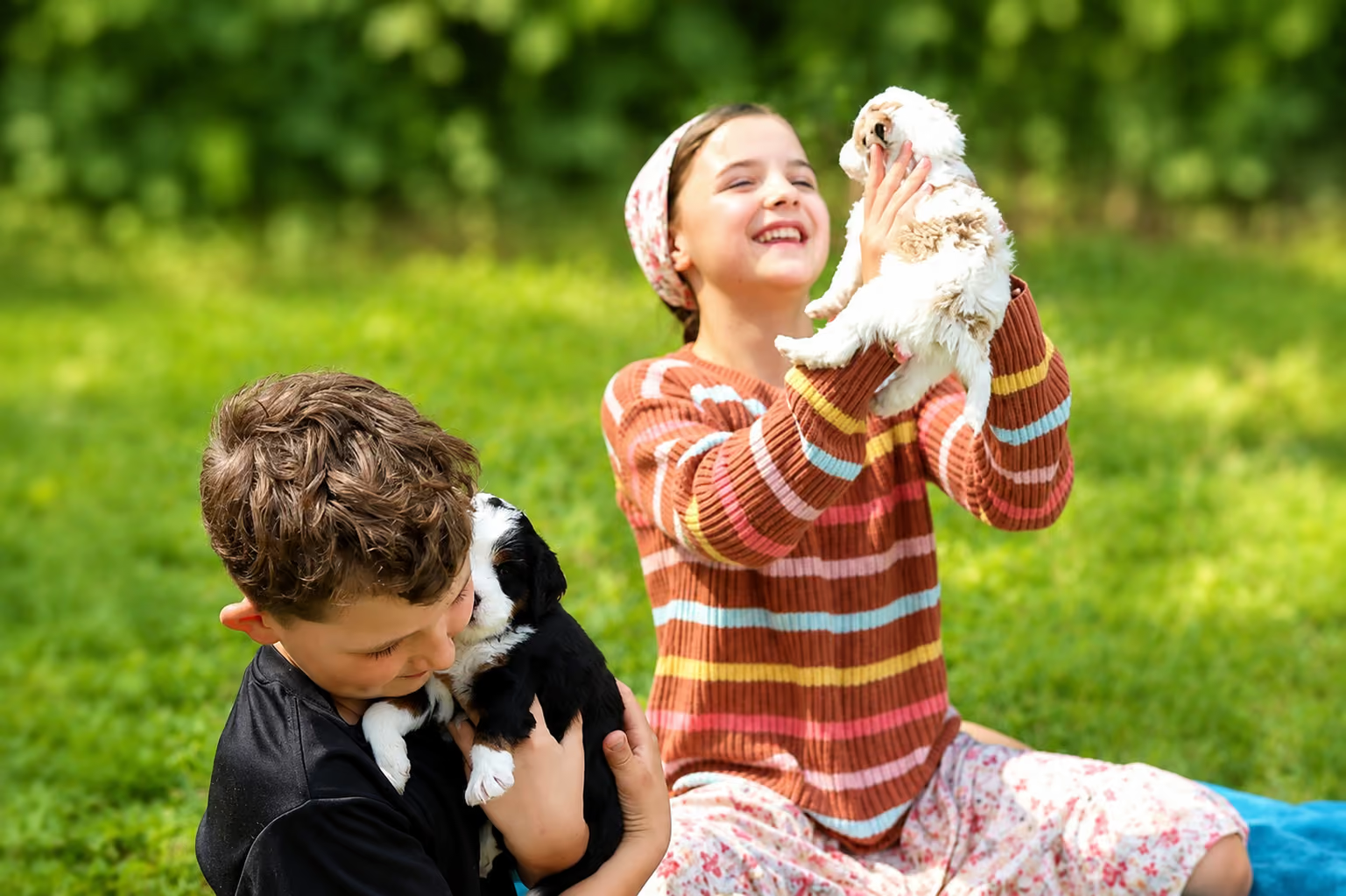
We take puppy potty training seriously. Our Astro-turf potty system helps our puppies go home "almost potty trained!"
Our puppy potty training "philosophy" may be different from what you see with other breeders. Here's why...
At Carrier Family Doodles, we are very careful about outdoor introduction, to prevent our puppies from picking up parasites like Giardia and coccidia that are common in the environment. Older dogs with strong immune systems are generally unaffected, but a puppy still developing has a more difficult time managing these early exposures.
Giardia is a particularly tenacious parasite; it can require both lengthy and repeated treatments. While diarrhea is the most common symptom and can be “manageable,” chronic giardia can lead to malabsorption issues and a less-than-healthy puppy.[i] So you can see why we take every precaution against this for our puppies.
We made a decision to reduce the risks by keeping our puppies primarily indoors for as long as they are with us. If they do go outside, they do not share outdoor areas with our adult dogs.
Sometimes Mama or a puppy caregiver can inadvertently bring something in on their feet, but we also know the signs of gastrointestinal infection in puppies, so we test and treat accordingly when we have to. Thankfully, it is rare.
By the time the puppies are 7-8 weeks old, their immune systems are more strongly established and they have gotten their first dose of the 5-way vaccine. Although parasite infection is rare (due to our protective protocols), every puppy given a 5-day preventative treatment for parasites just before leaving us, to ensure good health and to make sure nothing adverse will be introduced into his/her new, “forever home.” (This is especially important for puppies going into a home where there is already another dog.)
Even though we minimize our puppies’ outdoor exposure, most of our puppy customers report that our puppies are “90-95% potty trained” when they go home. How do we do it?
Our potty training process
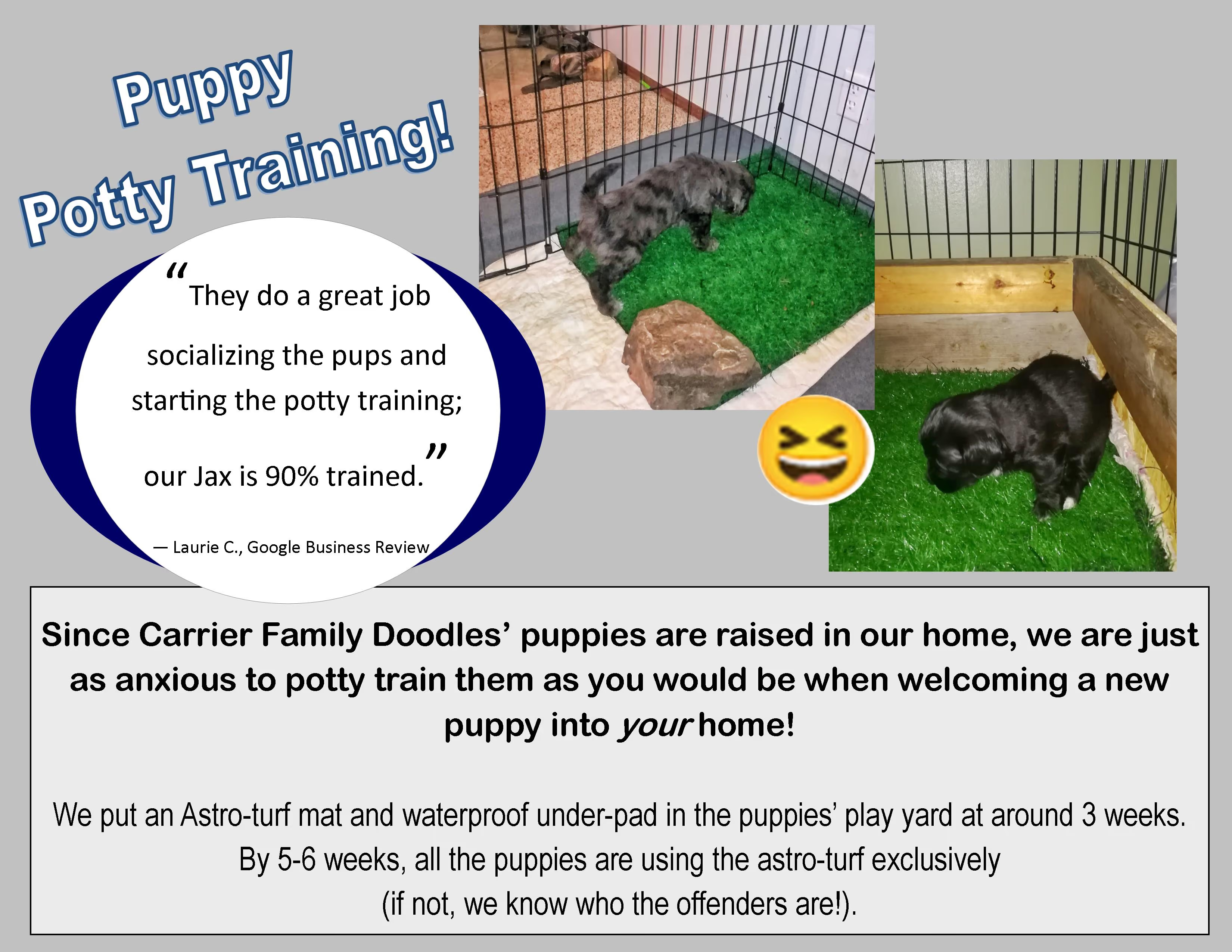
Puppies typically open their eyes at around two weeks of age and start to (somewhat awkwardly) explore their whelping box by three weeks. At that time, we leave a comfy blanket in the box, where they typically sleep and nurse with their Mama. We surround the blanket with astro-turf mats and waterproof under pads.
Because puppies are in the habit of going potty once they wake up from a nap (and they don’t want to go potty where they sleep), they quickly associate the blanket with sleeping and the astro-turf with going potty. Since they aren’t very active at such a young age, they mostly sleep and play on the blanket and use the astro-turf for elimination.
Once they get a little more active at 4+ weeks, we slowly remove all but one or two astro-turf mats. Eventually, we place their sleeping area at one end of their large, gated, puppy area and the astro-turf remains adjacent to it. The puppies enjoy a large play area in the main part of their enclosure. It’s a perfect set-up!
Outdoor Exposure and Play
Weather permitting, our puppies may spend time in our protected, outdoor puppy play area. It is a covered, fenced area with a concrete pad that is sanitized with bleach after every use. It is set up with an Astroturf potty system, climbing and play options, and plenty of space for the puppies to run and exercise.
We have a fenced yard area for our Mama dogs, which they access through a dog door from our puppy room. It is not shared with our other adult dogs. Occasionally, the puppies will go out and play in this protected grassy area, so they can enjoy a true “outdoor experience.”
Potty training tips for the New Puppy Owner
Your puppy should be relatively easy to potty train with consistency and encouragement. Don't overreact to accidents—just clean them up and move on. Puppies learn best when they're rewarded for going where and when you want them to. Punishment, on the other hand, can create fear and confusion. Our puppies are well-socialized and naturally eager to please, so be generous with praise when they get it right.
Young puppies need frequent opportunities to go outside. Take your puppy out immediately upon waking, as they may "go" wherever their feet first hit the floor! We recommend carrying them outside first thing until they become accustomed to the routine and develop better bladder control. Many young puppies also aren't able to sleep through the night at first, so you may need to get up once to let them out.
Puppies should eat three meals per day and generally need to go outside within about 20 minutes after eating. Pick up any uneaten food after mealtime, but always provide access to fresh water. Plan to take your puppy out at least every two hours (or even every hour and a half at first), and watch for signs such as sniffing, circling, or restlessness. As they mature, they'll gain better bladder control and begin to communicate their needs more clearly.
Some puppies naturally whine or bark when they need to go out. Others do well with bell training. Simply hang a set of bells at puppy level and encourage them to nose or paw the bells before each trip outside. Many puppies quickly learn to use the bells independently. Others do well with a dog door. As with most things, you'll find the system that works best for your household.
We know that a primary concern for new puppy owners is the potty training process. We do everything possible to make it easier for you and your new puppy!